
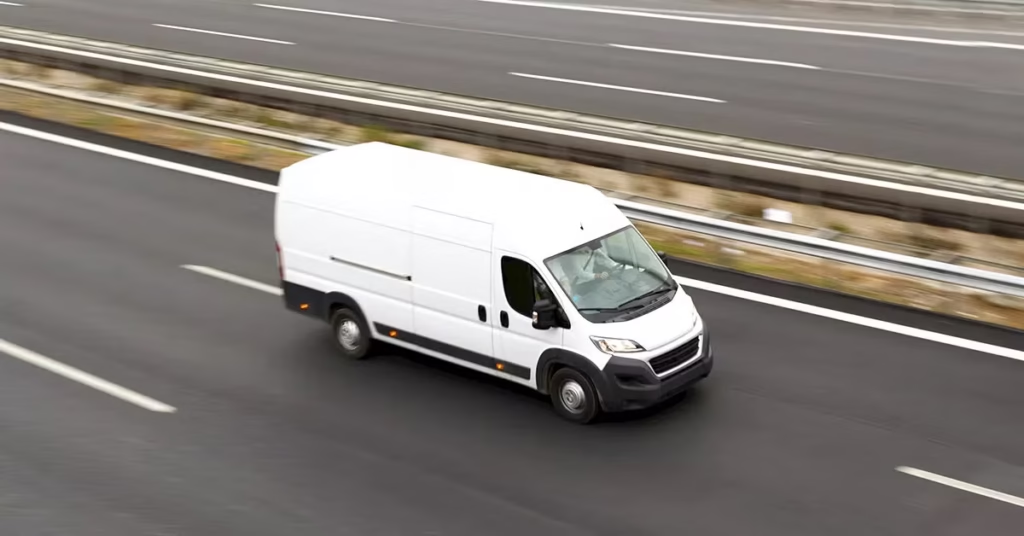
Discover how a smart cargo van dispatcher in the US for busy drivers helps maximize routes, boost earnings and cut downtime with ease.
Imagine turning idle hours into income, empty miles into paid miles, and chaotic days into calm, productive runs. For busy drivers juggling last-minute loads, traffic snarls, and mountains of paperwork, a cargo van dispatcher can be the difference between scraping by and actually thriving. This is not hype — it’s a tectonic shift in how last-mile logistics works, driven by software, data, and smarter decision-making.
Why busy drivers are turning to smarter dispatching
Busy drivers are essentially small business owners behind the wheel. They carry the vehicle, the fuel costs, and the delivery risk — but often lack robust tools to ensure each mile counts. A modern cargo van dispatcher acts like an operations brain: curating loads, optimizing routes, managing paperwork, and nudging drivers to the highest-value opportunities. The result? More consistent pay, fewer deadhead miles, and far less mental friction.
The rise of smart dispatching in the US — market context
The demand for last-mile delivery services is exploding. The U.S. “last-mile delivery transportation” market alone was valued at about USD 32.61 billion in 2024 and is projected to grow substantially in the coming decade. statifacts.com+2Precedence Research+2
As e-commerce continues to surge and consumers expect faster delivery, van-based and light-vehicle delivery services become more important. This structural growth makes efficient, smart dispatching not just helpful — but increasingly essential for driver profitability.
How technology is reshaping cargo van operations
Instead of relying on manual load boards, phone calls, and guesswork, technology now lets dispatchers integrate data from multiple feeds — load sources, traffic and routing data, and real-time availability. A cargo van dispatcher using modern tools can orchestrate dozens of micro-decisions with minimal lag. The result is a more agile, responsive delivery operation where van drivers can get better loads faster, avoid congestion, and stay productive.
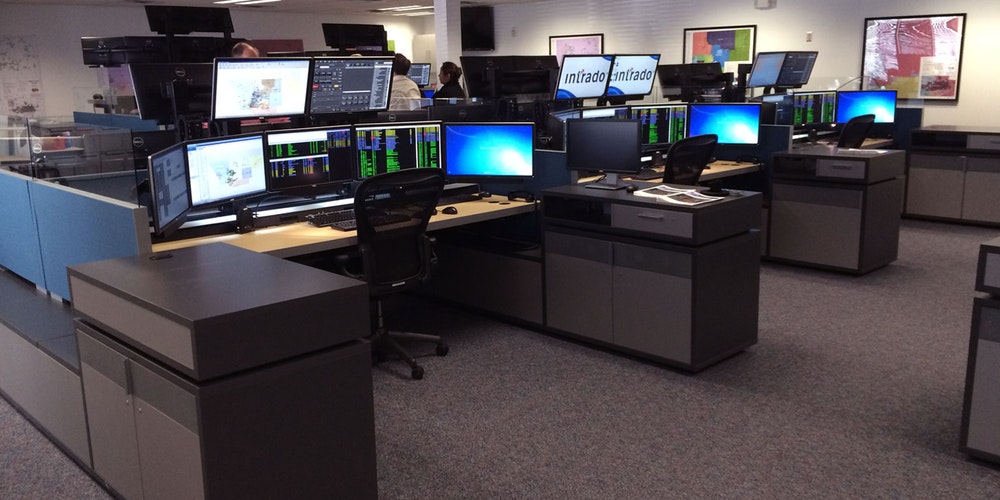
What makes a cargo van dispatcher smart
A truly smart cargo van dispatcher blends three critical elements:
Data — live market and routing data, load boards, and delivery feedback.
Algorithms & Automation — route optimization, load matching, scheduling, and rerouting.
Human Oversight & Negotiation — making judgment calls, negotiating loads, and managing exceptions.
That hybrid model yields better matches for vans, higher per-mile pay, and lower dead miles, creating efficiencies traditional dispatching could never capture.
Key features that separate modern dispatchers from traditional ones
Traditional dispatching likely meant spreadsheets, phone calls, and reactive load assignment. A modern cargo van dispatcher offers:
Dynamic load matching & filtering by van size, pay, and location
Real-time route optimization with traffic and fuel considerations
Instant dispatch updates and rerouting when unexpected delays or opportunities arise
Centralized communication tools (no juggling multiple apps or calls)
Digital documentation, automated logs, and invoicing workflows
Performance dashboards to track earnings per mile/hour, downtime, and route profitability
These features ensure efficiency, speed, and predictable earnings — luxury few solo drivers had decades ago.
How smart dispatching keeps routes fully optimized
Route optimization is no longer just about shortest distance. A smart dispatcher ensures every route balances multiple factors: expected delivery load, traffic, fuel usage, time windows, and return-load opportunities. That holistic view means drivers don’t waste time in deadhead miles or low-pay zones.
Real-time planning that adapts to traffic, delays and new load offers
When a traffic jam pops up, or a broker posts a high-pay load nearby, the system recalibrates instantly. A cargo van dispatcher can push a reroute or new load to a driver’s device, reducing wasted minutes and capturing incremental revenue. This reactive agility turns downtime into opportunity.
Dynamic route adjustments for maximum productivity
Because conditions change constantly (traffic, package pickups, cancellations), static planning only works part of the time. With dynamic rerouting and live updates, dispatch systems ensure drivers stay productive — maximizing deliveries per shift and minimizing idle time.
How automatic rerouting saves miles and money
Not only does optimized routing save time, it also trims fuel consumption and wear-and-tear. Studies of route-optimization and eco-routing models show that even modest improvements in route planning can reduce fuel or energy consumption noticeably.
Over weeks or months, these savings compound — increasing a driver’s profit margin significantly.
Load matching designed for busy cargo van drivers
Smart load matching filters out low-value loads and surfaces options that match vehicle size, driver preferences, geographic corridor, and pay thresholds. That curates high-quality opportunities instead of overwhelming with dozens of low-paying leads.
Finding the best paying loads without endless searching
Rather than hopping between multiple load boards or driving “blind,” dispatch systems consolidate broker offers and prioritize the best-paying, closest, and most suitable loads — allowing drivers to start their day with strong runs and skip long, unprofitable deadheads.
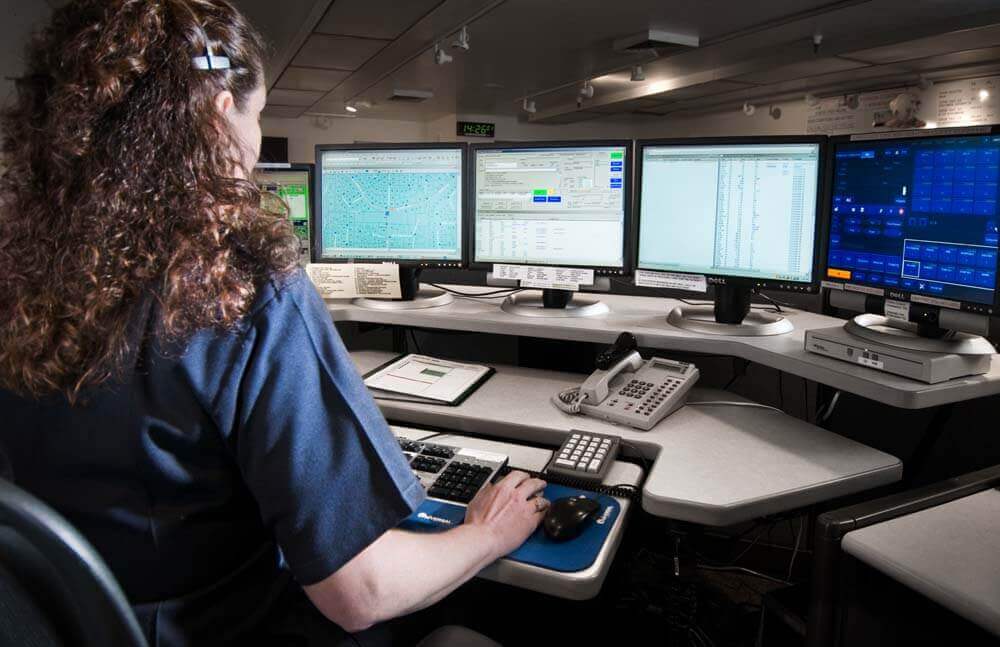
How better load selection boosts daily earnings
Better matches mean fewer miles with no load (deadhead) and more productive time. Combined with route optimization and scheduling, drivers can increase their per-mile and per-hour earnings — trimming wasted fuel and hours while maximizing paid deliveries.
Avoiding low paying routes and dead zones effortlessly
Smart dispatching platforms often gather historical data — zones with frequent low-paying loads or long wait times. They steer drivers away from these “dead zones,” focusing instead where demand (and pay) are reliably high. This reduces wasted time and increases consistency.
Reducing downtime with intelligent scheduling
Downtime — waiting for a load, stuck between jobs, or in traffic — can eat into profitability fast. Intelligent scheduling tools anticipate when a driver will finish a run and align the next load or route accordingly, shrinking idle windows and boosting productive hours.
Why advanced scheduling tools keep you moving instead of waiting
Predictive scheduling factors in traffic, service time, load availability, and realistic ETAs. By lining up the next job in advance, drivers spend less time waiting around and more time delivering — turning what used to be a downtime hole into a profit engine.
The power of instant notifications and alerts
Instant alerts about high-pay loads, traffic changes, or shifts in delivery instructions give van drivers the agility to react — sometimes before other drivers even see the opportunity. In spot-market conditions, speed of decision can be a big earnings differentiator.
Never missing profitable loads or urgent route changes
With modern dispatch systems, missed calls or emails are a thing of the past. Push notifications make sure drivers don’t miss lucrative loads, sudden reroutes, or critical messages — keeping the momentum going and ensuring nothing falls through the cracks.
Smart tools that streamline communication
Instead of juggling phone calls, texts, and emails, communication flows through a single in-app interface. Brokers, dispatchers, and customers connect in one place — making instructions clearer, faster, and easier to trace.
How smart dispatchers support last-mile delivery success — sector growth
The “last-mile delivery” segment in the U.S. is booming. In 2023, the U.S. last-mile delivery market generated approximately USD 37.7 billion and is forecast to reach USD 62.4 billion by 2030. Grand View Research+1
As retail, e-commerce, and same-day delivery demands grow, vans and light-duty vehicles — the backbone of last-mile services — play an increasingly central role. That means demand for reliable, efficient dispatching continues to rise.
Choosing the right smart cargo van dispatcher in the US — what to prioritize
Not all dispatching services are equal. When evaluating a dispatcher, look for: transparent fees, integration with telematics/ELD, real-time load feed and dynamic routing, in-app communication tools, and support for dry-van or cargo-van runs.
One example of a specialized and reliable service is Dispatcher Direct, which offers dry-van and cargo van dispatch support tailored to U.S. drivers. Their emphasis on van-friendly loads, market-savvy routing, and transparent service makes them a standout for drivers looking to optimize operations.
Questions to ask before partnering with a dispatch service
Before signing up, drivers should ask:
Where do your loads come from and how often are they van-appropriate?
What percentage of loads are dry-van or cargo-van vs heavy freight?
How do you handle cancellations, delays, and disputes?
What is your fee or commission structure? Flat fee or percentage?
Do you offer telematics / ELD integration and transparent route history?
Is communication centralized and easy?
Do you support driver preferences (lane, region, hours)?
Selecting the right partner ensures the dispatcher aligns with your style, van type, and income goals.
Common mistakes drivers make without smart dispatching
Drivers relying on manual methods often:
Spend hours searching load boards with little payoff
Accept low-paying loads out of desperation
Waste time driving empty miles (deadhead)
Lose hours to paperwork and tracking
Miss high-pay loads due to slow response or disorganization
Struggle with unpredictable income and burnout
These inefficiencies quickly erode profit margins and lead to inconsistent cash flow.
Conclusion
A cargo van dispatcher is no longer a luxury add-on. It’s an operational multiplier: better routes, smarter load selection, reduced downtime, and reliable earnings. With a partner like Dispatcher Direct — one that understands dry-van operations and van-based logistics — busy drivers can transform their days from chaotic to composed, from marginal to lucrative.
For van drivers in the U.S., smart dispatching is the key to turning every mile into hard-earned income — with less stress, more control, and better results.